
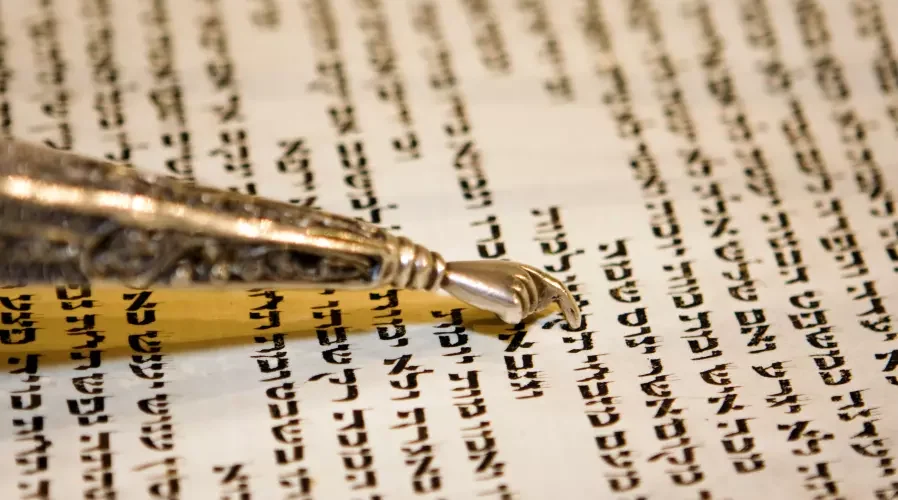
MUKONO, UGANDA — In a historic milestone for Ugandan Jewry, the Mukono Jewish Community (MOJC) celebrated the reception of its first Sefer Torah

The day’s events commenced in the early morning hours as community members gathered at the MOJC synagogue compound in Mukono, located approximately 20 kilometers east of Kampala. Dressed in festive attire, with many women wearing traditional Ugandan prints alongside modest head coverings, approximately 200 community members, guests, and dignitaries assembled for what would become a day-long celebration blending ancient Jewish tradition with local cultural expression.
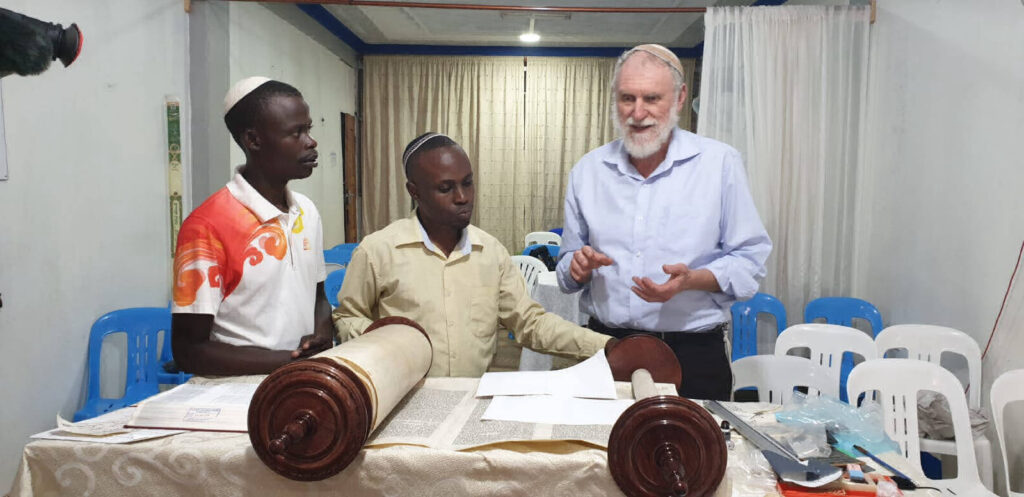
Rabbi Stuart Fisherman, who has served as a guiding spiritual authority for the community since the mikveh construction phase in 2019-2020, Advised that a sefer torah has no sect and can be from any source, as long as it is officially declared kosher by Rabbis.
Official Religious Ceremony
Upon reaching to the synagogue, the Torah was processed around the interior seven times, reflecting the seven circuits traditionally made on Simchat Torah. Congregants extended their hands toward the scroll, touching it with prayer books or tallitot and then kissing them in a traditional display of reverence.
The Torah was then dressed in its mantle, crowned with a silver rimmonim (finials) donated by a supporting congregation, Nabugoye Stern Synagogue. With great solemnity, it was placed in the Ark, which had been specially constructed by Bezalel, a local carpenter, senior artisan, and community tresurer and painted with designs incorporating both Jewish symbols and Ugandan artistic motifs.
The Festive Meal
Following the religious ceremony, the celebration continued, where long tables had been arranged. The community served a festive meal that showcased the fusion of Jewish dietary observance with Ugandan culinary traditions.
Guests were served matoke (cooked green bananas) prepared under kosher supervision, groundnut stew, grilled fish from Lake Victoria, rice, and an assortment of fresh tropical fruits. Soft drinks and sweet Ugandan tea flowed freely throughout the evening.
The meal provided an opportunity for informal interaction between community members and guests. Children played nearby while adults engaged in animated conversation, sharing stories and making connections that community leaders hope will bear fruit in future collaborations.
Several community members gave speeches during the meal, reflecting on the journey from the first Shabbat in 2019 to this moment. One elder, who had participated in the original mikveh construction, recalled the early days when the community’s future was uncertain. “We built with our hands,” he told the assembly. “We built the mikveh, we built the community, and now God has built this Torah into our home.”
Significance for the Community
The reception of a Sefer Torah carries particular significance for a conversionary community. Unlike established Jewish communities that may inherit Torah scrolls or receive them as a matter of course, for MOJC, the Torah represents both a culmination and a beginning.
“This scroll will be read from during our services,” explained Benjamin ben Avraham, a member of the community’s education committee and Gabbaim. “Our children will learn to read from it. When we celebrate bar and bat mitzvahs in the coming years, this is the Torah they will be called to. It is the living heart of our spiritual life.”
The arrival of the Torah also completes a cycle of communal institutions that began with the founding of the community. The synagogue space, acquired in February 2019, provided a home. The mikveh, completed in two phases between 2019 and 2020, provided the means for ritual purity and conversion. The community’s registration first as a CBO and later at the national level provided legal standing. The conversion certificates received in April 2022 provided recognized Jewish status for community members. The Torah now provides the central object of communal worship and identity.
Community Reflections
In interviews conducted throughout the day, community members expressed a range of emotions about the milestone.
For the founding members who remembered the first Shabbat in February 2019, the day carried particular weight. “That first Shabbat, we had nothing but each other and our prayers,” one founding member recalled. “Today, we have a complete synagogue, a mikveh, a community recognized by law, and now our own Torah. God has been very good to us.”
Younger members of the community, many of whom were children or teenagers during the founding, expressed excitement about what the Torah means for their future. “I will read from this Torah at my bar mitzvah,” one young man said. “That is something I have dreamed about. Now it is real.”
For the community’s leadership, the event also carried practical implications. The Gabbaim, whose decentralized leadership structure was established to manage the community’s growth, coordinated every aspect of the celebration—from security arrangements to food preparation to guest accommodations. Their successful management of an event of this scale demonstrated, leaders believe, the effectiveness of their governance model.
Looking Forward
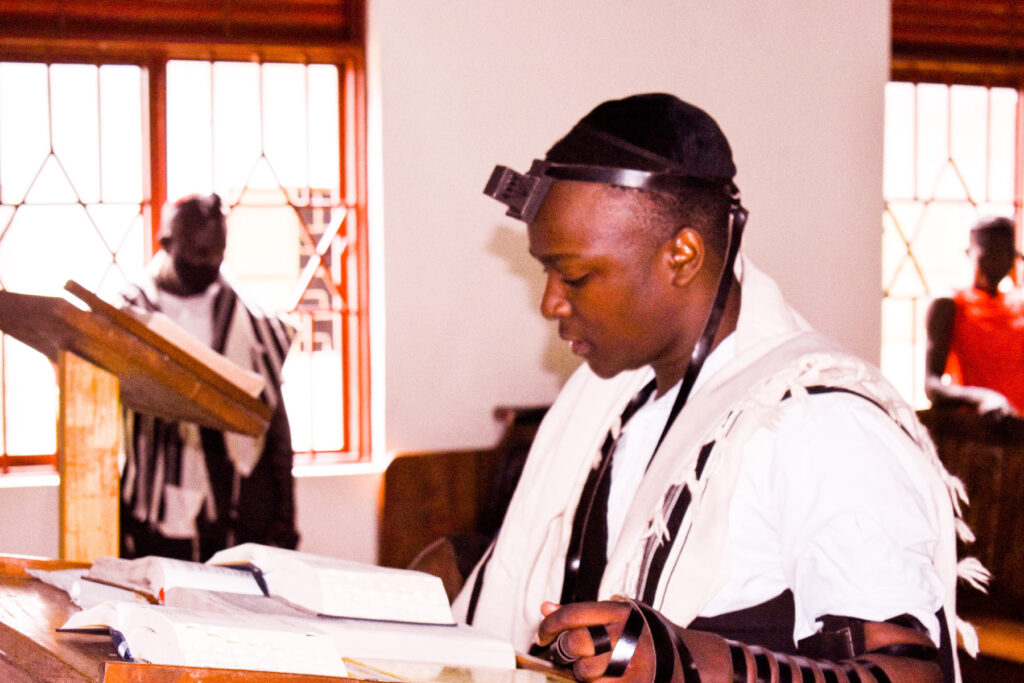
As the sun began to set and the celebration gradually wound down, community members gathered one final time inside the synagogue for the Maariv evening service. For the first time, they prayed with their own Sefer Torah resting in the Ark. When the Ark was opened during the service, the scroll was visible in its place of honor.
Speaking after the service, one of the community’s founders reflected on the significance of the day. “When we started, we could not have imagined this. We were just a few people with a dream. But step by step, year by year, we built. Today, the Torah came home. Tomorrow, we continue building.”
The Sefer Torah reception of 2025 now stands as the latest chapter in the ongoing story of the Mukono Jewish Community. From its founding by a handful of zealous individuals in early 2019, through the construction of its mikveh, the guidance of visiting rabbis, the formal conversions of 2022, and the organizational developments that followed, the community has steadily constructed the infrastructure of Jewish life. With the arrival of its own Torah scroll, that infrastructure now includes the sacred heart of Jewish worship and identity.
As night fell over Mukono and the last guests departed, the synagogue stood quiet, its lights dimmed, its Ark containing a treasure six years in the making. The Torah had come home.