
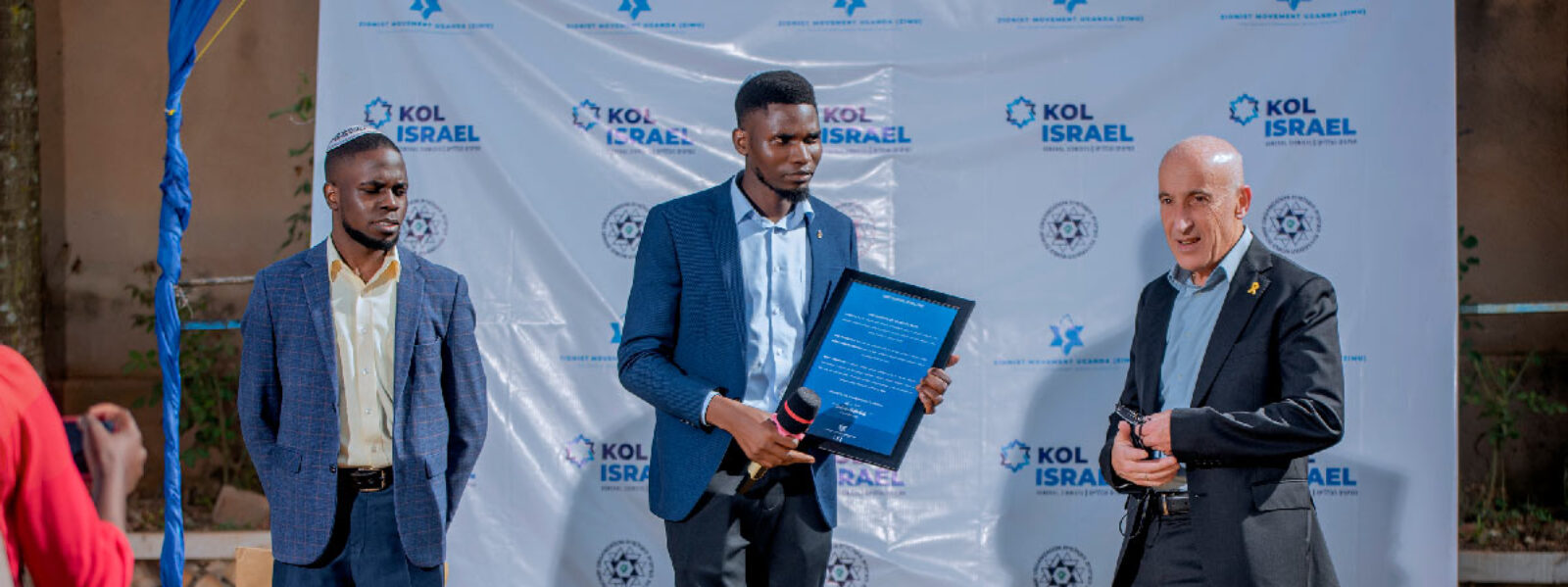
From the Epitome of Destruction to the Thirst for Salvation

A Journey Through Tisha B’Av in the Mukono Orthodox Jewish Community (MOJC), Uganda: Experiencing Hester Panim in Preparation for Rosh Hashanah & Yom Kippur – mukonojews.
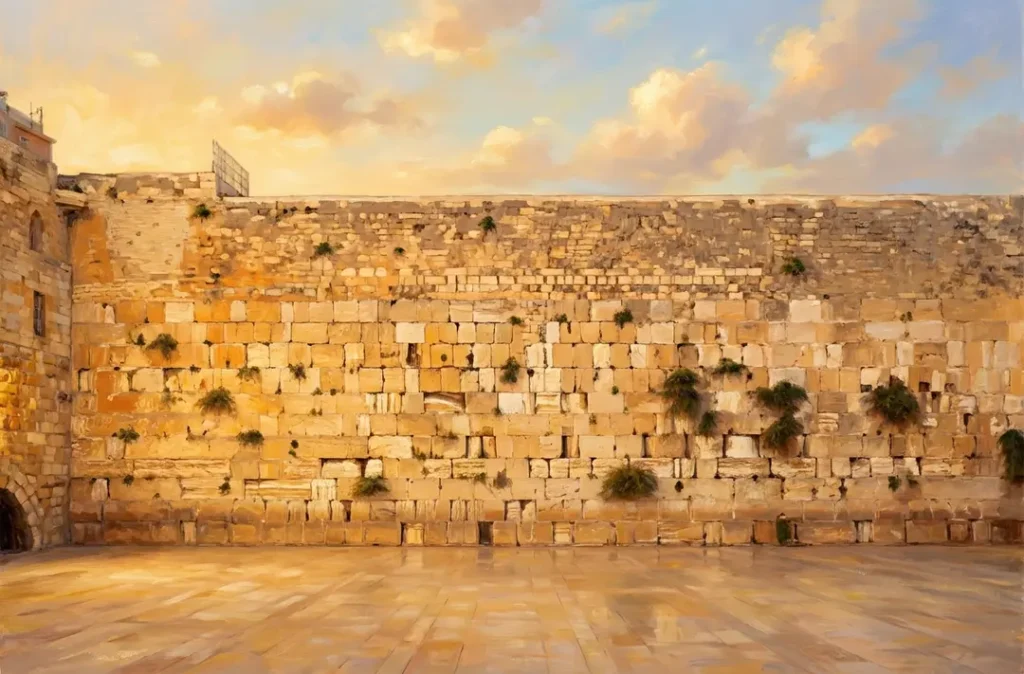
There is a solemn darkness that settles over the Jewish soul as the ninth day of the month of Av approaches. It is not an isolated sadness, nor is it a temporary melancholy. Tisha B’Av stands as the absolute epitome; the devastating climax of the Three Weeks (Bein HaMetzarim), a period wherein our national memory bleeds across centuries. To sit on the floor in the dim light, with leather shoes removed and the book of Eicha (Lamentations) in our hands, is to step directly into an inescapable vortex of Jewish history.
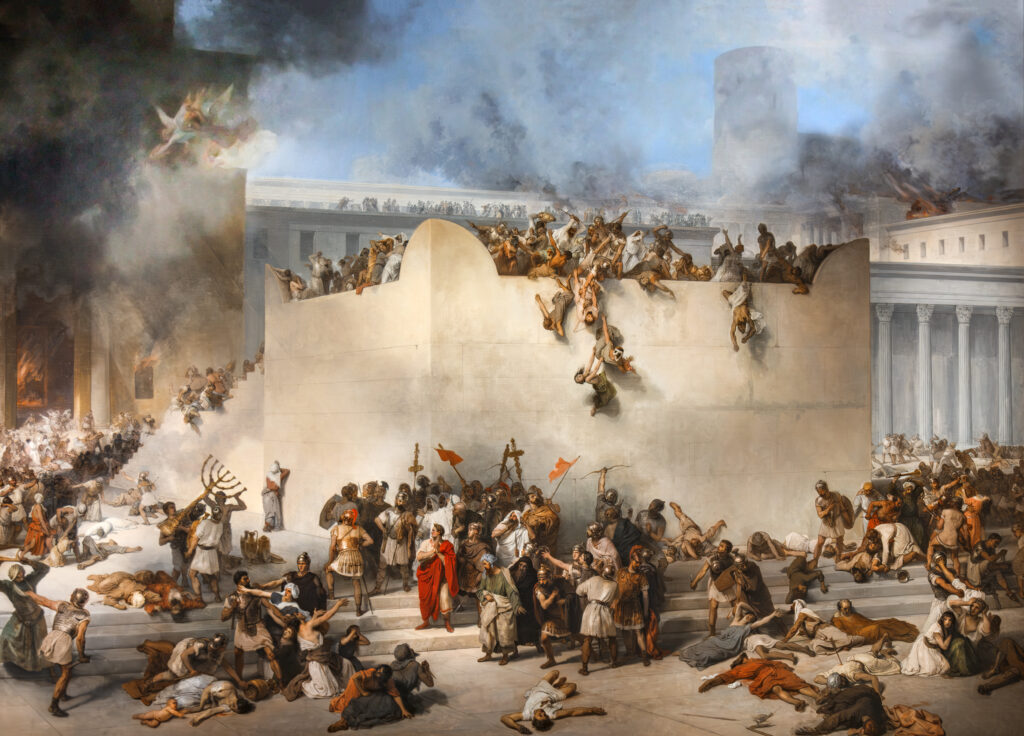
On this terrifyingly heavy day, we do not merely remember one singular loss; we mourn an endless chain of catastrophic weeping. On Tisha B’Av, both the First Temple built by King Solomon (586 BCE) and the Second Temple rebuilt by Ezra and Herod (70 CE) were reduced to ashes. But the bloody footprint of Tisha B’Av did not end in antiquity. It was on this very date that the final fortress of Betar fell in 135 CE, crushing the Bar Kokhba revolt and slaughtering over five hundred thousand Jews. It was on or surrounding Tisha B’Av that King Edward I signed the decree expelling the Jews from England in 1290; that the entire Jewish population of Spain was expelled during the brutal Inquisition of 1492; that World War I broke out in 1914, setting into motion the geopolitics that would lead straight to the horrors of the Nazi Holocaust (Shoah); and that the mass deportations from the Warsaw Ghetto to Treblinka death camp began in 1942. Tisha B’Av is the tragic container into which all Jewish tears throughout history are poured.
The Transition of Devarim: A New Generation and the Identity of Israel
As we transition from the Book of Bemidbar (Numbers) to Devarim (Deuteronomy), the Torah brings us to the exact edge of the 40th year in the wilderness. The Sages of the Talmud (Taanit 29a) teach that the original decree of Tisha B’Av was born in the desert. When the Spies brought back a fearful report of the Promised Land and the people wept in their tents, Hashem declared: “You wept without cause on this night; I will establish this night as a day of weeping for all your generations.” That entire wilderness generation was destined to perish over forty years.
Yet, Devarim presents us with a post-Bemidbar reality: a brand-new generation standing at the banks of the Jordan River. They are no longer the broken slaves who left Egypt, but a resilient people who have learned what it means to depend solely on Divine Providence. Our esteemed teacher, Rabbi Abe Reichman, in his profound lessons delivered over this past week, unpacked the precise and deliberate ways the Torah addresses the Jewish nation across these transitions. He noted how the Torah shifts between different terminology to describe us:
- Bnei Yisrael (Children of Israel): Invoking our direct lineage to the Patriarch Jacob, reflecting our inherent nobility and our potential to wrestle with the Divine and overcome.
- Am (Nation / People): Referring to our collective national body; a word rooted in im (with), emphasizing our shared fate, whether in times of spiritual rebellion or national unity.
- Edah (Assembly / Congregation): Coming from the root Ed (witness), describing us when we are gathered together in complete spiritual alignment, serving as living witnesses to Hashem’s presence in the world.
Rabbi Reichman drew a vital distinction from these Torah references: every incident in our history either pulls us down into spiritual degradation or serves as a catalyst for hope, elevation, and eventual victory. The names by which Hashem calls us depend on how we channel our trials. Even when we are cast down to the dust, the spark of Bnei Yisrael remains untouched, waiting to be rekindled as we prepare our hearts for the High Holidays of Rosh Hashanah and Yom Kippur.
“The names the Torah bestows upon us are not merely labels; they are spiritual coordinates. When we fall, we are an ‘Am’ scattered in darkness; when we rise, we stand as ‘Bnei Yisrael’, inheriting the eternal promise.”
— From the Weekly Shiurim of Rabbi Abe Reichman
What is Tisha B’Av to Us?
This leads us to a burning question; a question that every sincere Jew must confront: What is Tisha B’Av to us today? What feeling should truly penetrate a person’s heart on this day?
Have you ever paused to realise something astonishing about Tisha B’Av? It is not a day of repentance (Teshuva) in the way Yom Kippur is! On Tisha B’Av, we do not recite Selichot (penitential prayers). We do not say Tachanun (supplications). There is no Vidui (confession of individual sins). Why? Because on Tisha B’Av, Hashem does not ask us to look inward at our personal, physical moral inventory. Instead, we are called to look far beyond our individual self-judgment to something infinitely broader: the raw, bleeding pain of the entire Jewish Nation (Tza’ar HaUmmah).
- Yom Kippur: Focuses on the individual standing before the Heavenly Court. We confess our personal transgressions, cry out in Selichot, and plead for individual life, forgiveness, and purification.
- Tisha B’Av: Focuses on the collective grief of the nation and the exile of the Divine Presence. Individual confession is suspended; we sit on the ground to feel the cosmic void left by the absence of the Holy Temple.
In our modern world, particularly in Western nations, many Jews have grown up in relatively free, safe, and comfortable environments. Despite the rising currents of anti-Semitism, Jews in many countries can walk down the street with reasonable safety, build grand synagogues, and enjoy abundant resources. For someone living in comfort, feeling genuine agony over a Temple destroyed two thousand years ago requires conscious effort. We see great Chachamim (scholars) and leaders encouraging people to watch Holocaust documentaries, read harrowing memoirs of medieval pogroms, and study antisemitic persecution just to stir an artificial spark of grief; to force themselves to feel bad for twenty-four hours.
And yet, look at what happens every year: as soon as the fast ends, the star appears, and we break the fast, there is a sudden, almost jarring shift. We wash our faces, switch off our tears, and immediately resume our normal lives; attending parties, eating grilled meat, drinking liquor, and laughing as if nothing ever happened! Yes, our Sages teach that whoever mourns for Jerusalem will merit to see her joy, and it is an absolute obligation upon every generation to mourn the Temple; for if the Temple is not rebuilt in our lifetime, it is as though it was destroyed in our days (Jerusalem Talmud, Yoma 1:1). But why this rapid, shallow shift without a lasting takeaway? What was the fast really for?
The profound truth; the real answer that penetrates the soul; is that Tisha B’Av is not about mourning ancient stones or dead architecture. It is about mourning the unbearable pain of distance between our Creator and the Jewish people. It is mourning the absolute concealment of God – Hester Panim. When the Holy Temple stood, Hashem’s presence was revealed, tangible, and undeniable. Miracles were part of daily life. Our forefather Avraham experienced such closeness that he could entertain angels and feed his household and every weary traveler with boundless abundance (Genesis 18:1-8). Today, God is hidden. He is concealed behind layers of worldly noise, leaves us accountable for our own stubborn choices, and feels distant from our daily lived experience.
The Lived Agony: Tisha B’Av in the Mukono Orthodox Jewish Community (MOJC)
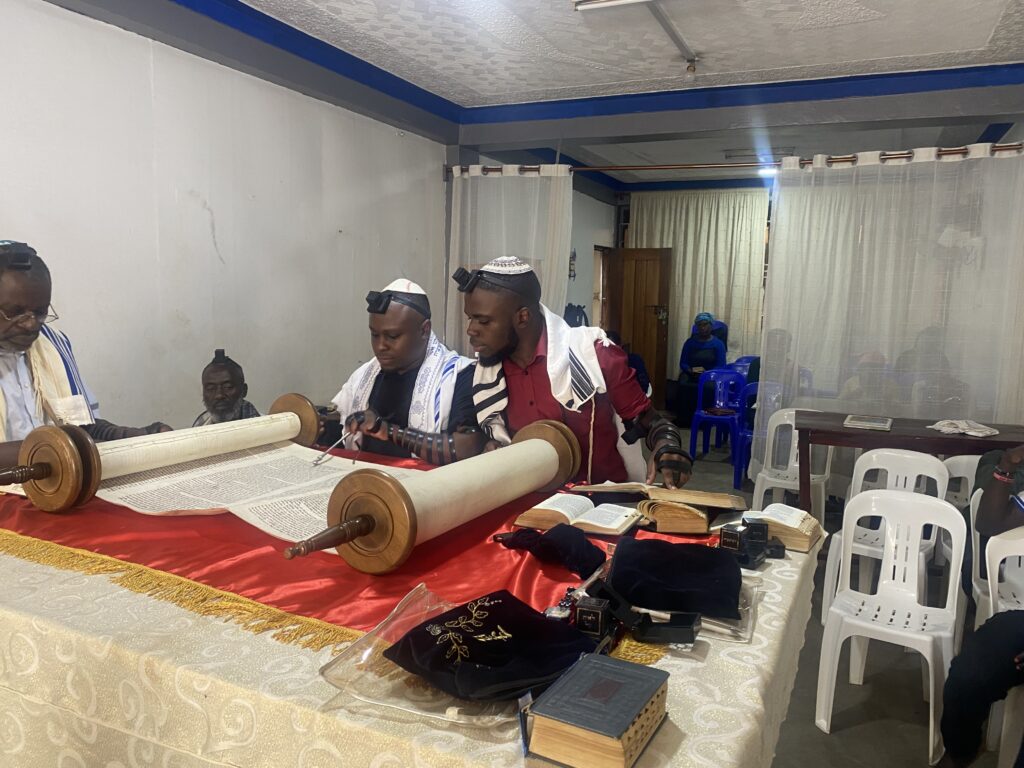
For Jews living in stable and developed nations with Jewish acceptance around the globe, the concept of “Divine concealment” can easily remain a theoretical topic discussed in an air-conditioned library. But for us; the Ugandan Jews of the Mukono, this terrible pain and concealment of our Creator is not an abstract theology. We live it in our flesh every single day.
In Uganda, poverty is not just a statistical headline; it is our constant companion. Food is scarcely obtained, and families wake up each morning uncertain of how the day will end or where the evening meal will come from. The vast majority of our youth and adults are unemployed. And even those fortunate enough to secure jobs face heartbreaking trials to stay faithful to the will of their Maker: how do you request off for Shabbat or the upcoming High Holidays when your employer tells you that stepping away means immediate termination and starvation for your children?
When an MOJC Jew earns a tiny, meager salary, they do not have the luxury of saving or investing. They sit down with a pen and a piece of paper, desperately partitioning shillings into microscopic fractions; a fraction for maize flour, a fraction for school fees, a fraction for water. If your calculations fail by even a tiny margin, everything collapses. Here, you work for the daily bread; if you do not work, you do not eat, and your family suffers in silence. Every achievement, every milestone in life is fought for through extreme hardship.
And what of the soul? Our souls thirst for Torah like a parched land thirsts for water! But in Uganda, studying Torah online requires mobile data, and internet data here is brutally expensive amidst our financial struggles. Yet, despite these crushing schedules, despite the exorbitant data costs, MOJC Jews push through the exhaustion of physical labour to sit under dim light bulbs and study Torah late into the night. Our people pray and keep Shabbat with fierce devotion, even amidst rigid government policies and societal pushback.
The Untold Sacrifices of Mukono Jews for Mitzvot
- Giving Up Beef for Kashrut: Because there are no commercial Kosher slaughterhouses or certified Kosher stores in Uganda, our community members have voluntarily given up eating beef and sometimes meat altogether, eating simple plant foods at home or chicken, incase a once in a while access to a birds shochet just to ensure our bodies remain untainted and 100% Kosher according to the strictest Halacha.
- Protecting the Minds of Our Children: Because there are scarce Jewish schools in Mukono, parents are forced to send their precious children to secular, non-Jewish schools. But as they walk them to the gate, fathers and mothers hold their children’s hands tightly and whisper with tears: “My son, my daughter, focus on your secular profession so you can survive, but do not let your holy soul become toxic or influenced by foreign religions!”
- No Jewish Cemetery: We live with the agonizing reality that we do not even own land for a dedicated Jewish cemetery in Mukono to lay our loved ones to rest according to Jewish law, nor do we have land to build a permanent, secure communal firm where Hashem’s name can reside in dignity.
This is the pain of Ugandan Jews! It is the burning, searing pain of feeling the extreme distance of our Creator, yet refusing to let go of His coat-tails! We are few, isolated in the heart of Africa, but we fight with every fiber of our strength to stay united as one family (Achdut) against all opposition, solely to serve Hashem in truth.
The Bridge to Redemption: Our Cry for the High Holidays
So when Tisha B’Av arrives in Mukono, our tears are real. As the entire global Jewish nation longs for final salvation, we in MOJC join our voices to that universal cry, adding our specific, local pain to the altar of Heaven. We pray with all our heart for Hashem to look down upon His suffering children in Uganda and fulfill the ancient prophecy:
הֲשִׁיבֵנוּ יְהוָה אֵלֶיךָ וְנָשׁוּבָה חַדֵּשׁ יָמֵינוּ כְּקֶדֶם
— Eicha (Lamentations) 5:21
“Turn us back to You, Hashem, and we shall return; renew our days as of old!”
We feel the sharp pain of lacking a true belonging in a chaotic world, toiling without rest just to draw a little closer to God. As we begin the spiritual bridge from Tisha B’Av into the Month of Elul and prepare for the High Holidays; Rosh Hashanah and Yom Kippur; our community lifts its eyes to the Heavens. In the sacred Selichot prayers that will soon echo in our humble hall, we cling to the holy verse:
עַמְּךָ נַחֲלָתְךָ רְוֵי טוּבְךָ, צְמֵאֵי חַסְדֶּךָ, כֹּהֵי יִשְׁעֶךָ… תַּכִּיר וְתֵדַע כִּי אַתָּה הוּא מָרֵי דְרַחֲמֵי וְסָלַח
— From the High Holiday Selichot Liturgy
“Your nation, Your inheritance, who long to be sated with Your goodness, who thirst for Your loving-kindness, whose eyes strain for Your salvation… Recognize and know that You alone are the Master of mercy and forgiveness!”
A Heartfelt Prayer & Plea from Mukono to the Heavens
“Ribono Shel Olam; Master of the Universe! Look at Your children in Mukono, Uganda. Look at our hunger for Your Torah, our determination to keep Shabbat, our willingness to forego all for holiness. As we stand trial on Rosh Hashanah, grant us life, grant us land for a synagogue and cemetery, open doors of sustenance (Parnassah), and make us victorious over all who seek to weaken our faith. May our prayers be sealed on Yom Kippur for a year of comfort, closeness, and revealed redemption!”
A Deep Tribute of Gratitude & Unity
Our journey in the wilderness of exile is made bearable through the dedicated souls who continuously ease our pain and nourish our spiritual growth. On behalf of the entire Mukono Orthodox Jewish Community (MOJC), we express our deepest, most heartfelt appreciation to:
- Rabbi Abei Reichman: For his unwavering dedication, profound weekly shiurim, and constant spiritual encouragement that elevates our minds above our physical struggles.
- Rabbi Stuart Fishman, Rabbi Menachem, & Rabbi Yonatan Segal: For their endless patience, Torah teaching, and constant care for our spiritual well-being.
- Rabbi Shlomo Riskin & the Entire Community of Efrat, Israel: For opening their hearts to Ugandan Jewry and demonstrating true Ahavat Yisrael (love for fellow Jews).
- Our Local Leaders: Our devoted Gabbai Orah and Rabbi Benjamin, who are currently studying vigorously in yeshiva to attain full rabbinic ordination, sacrificing so much to lead our community into a bright spiritual future.
- Our Sister Communities in Uganda: The Gabbayim and leadership of TBM and our brothers and sisters in Eastern Uganda (Mbale), standing shoulder-to-shoulder with us in faith.
- Our Generous Supporters & Donors Worldwide: Every individual across the globe who sends charity, books, and financial support to ease the poverty of Ugandan Jews—may Hashem grant immediate, overwhelming answers to all your prayers!
To the entire global Jewish nation around the world: We plead with Hashem together with you. May He draw close to us, shatter the thick walls of Hester Panim, open wide the gates of salvation and prosperity, and comfort His people in Zion and in every corner of the earth. May we merit to see the Third Temple built speedily in our days!
Written with tears, love, and unwavering faith,
Yossi Chai (Joseph Ssemakula)
Mukono Orthodox Jewish Community (MOJC), Uganda